Affiliate links on Android Authority may earn us a commission. Learn more.
The Galaxy Watch 9 has officially arrived, bringing the annual round of upgrades to Samsung’s flagship wearable. If you’ve been holding onto an older Galaxy Watch, the new generation will feel like a major improvement. However, if you’ve spent the last year with the Galaxy Watch 8, the new model may feel like a surprisingly safe update. The hardware is familiar, and the headlining features already exist elsewhere.
As always at the start of the wearables launch season, I’m wondering how I’d spend my own money if I were shopping for a smartwatch today, and in a perfect world, I’d probably wait a little longer. Google’s Pixel Watch 5 is likely to land this fall, and could bring more substantial changes than we’ve seen from Samsung this year. In the meantime, the Pixel Watch 4 remains one of my favorite devices. For anyone eager to buy a new smartwatch right now, these are the reasons I’d still recommend the Pixel Watch 4 over the Galaxy Watch 9.
Which would you purchase, the Galaxy Watch 9 or the Pixel Watch 4?
- I still can’t get behind Samsung’s squircle design
Beauty is subjective, but this is one opinion I’ve never really wavered on, and this year I’m still stubbornly committed to my take. The Galaxy Watch lineup lost the understated charm that made Samsung’s earlier circular watches feel so much like traditional timepieces. The squircle design isn’t just a confusing use of space; it’s more industrial than timeless and, in my opinion, distinctive for all the wrong reasons.
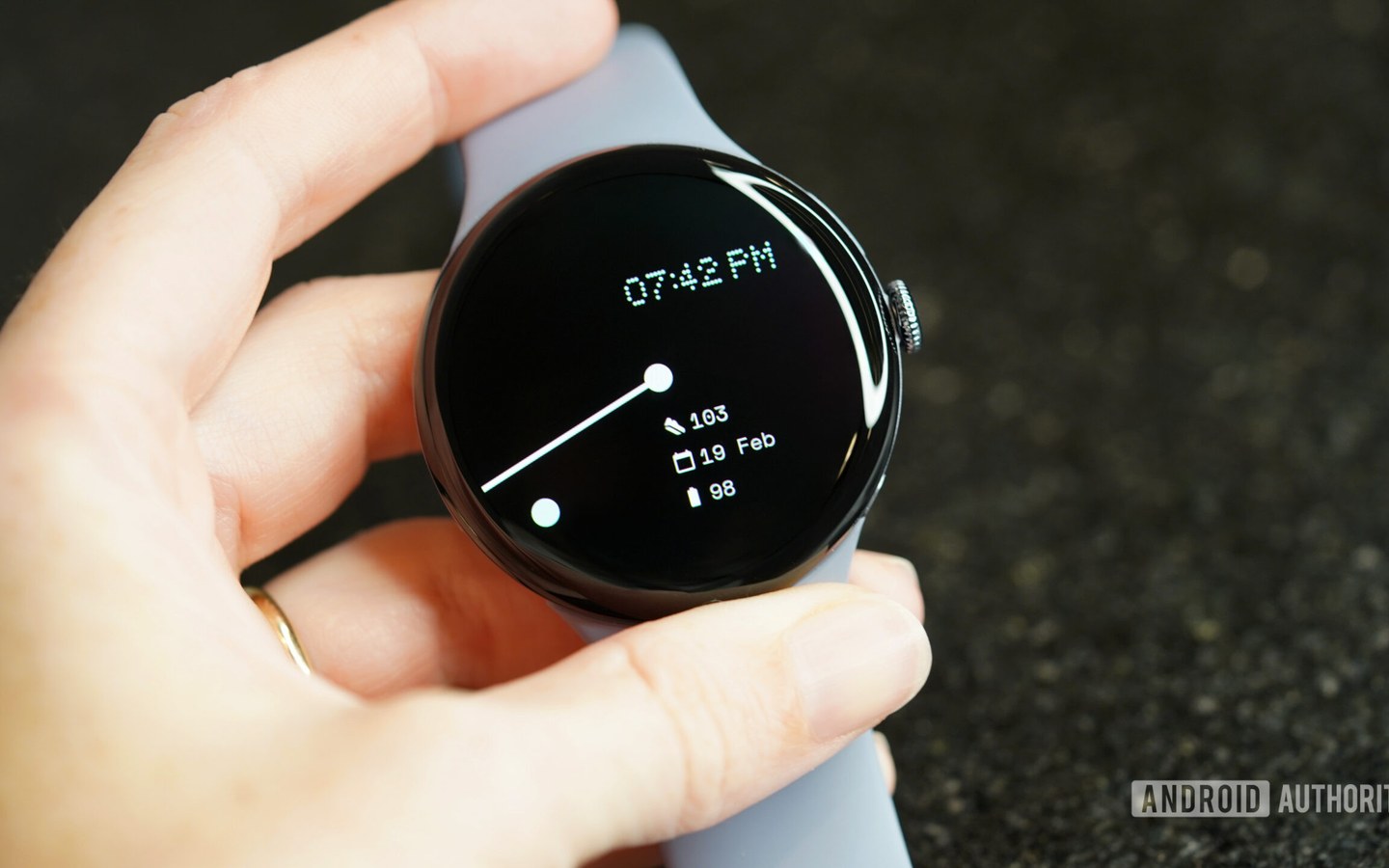
Meanwhile, Google’s minimalist, pebble-inspired design still feels unlike anything else on the market. The domed glass gives the Pixel Watch a soft, elegant look, and after several generations, I’ve stopped worrying about its durability. It’s also incredibly comfortable. The curved shape sits naturally on my wrist and wears well overnight and throughout workouts. Four generations in, I still think the Pixel Watch is the best-looking Android smartwatch you can buy.
- Google’s software feels more cohesive